What Makes a Reliable Brass Components Manufacturer? A Complete Buyer's Checklist

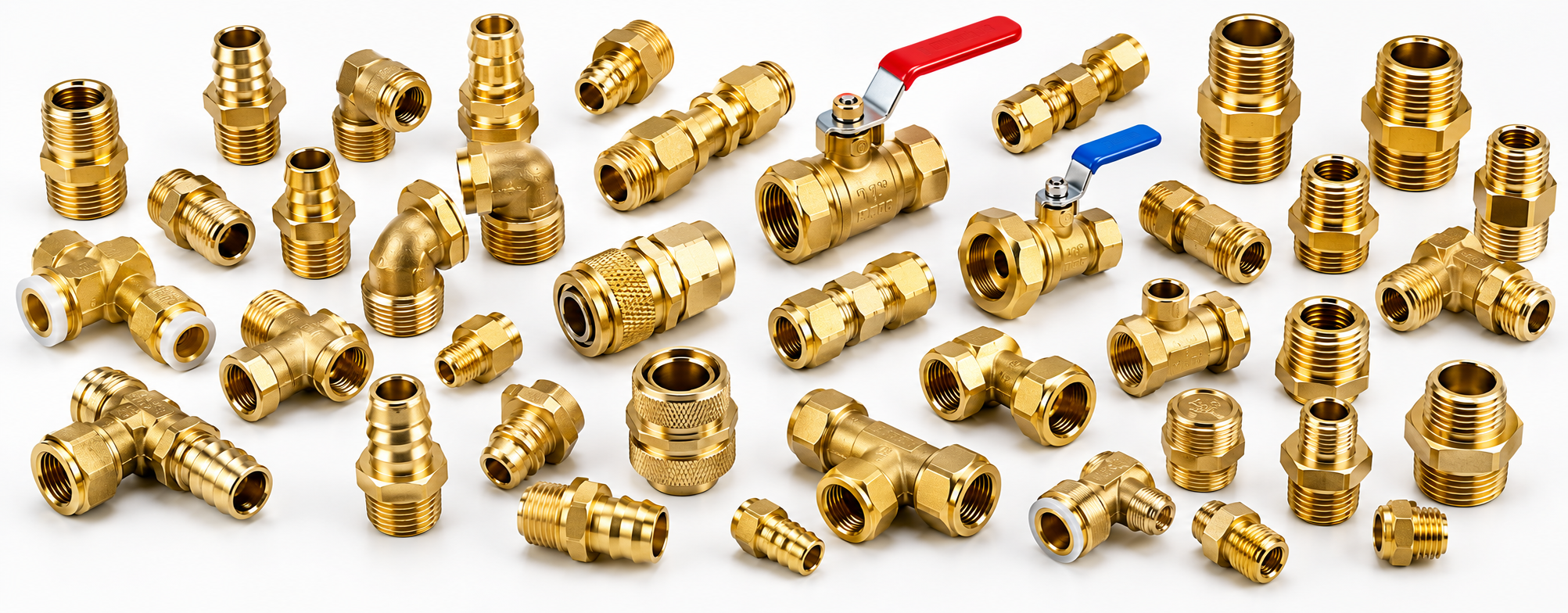
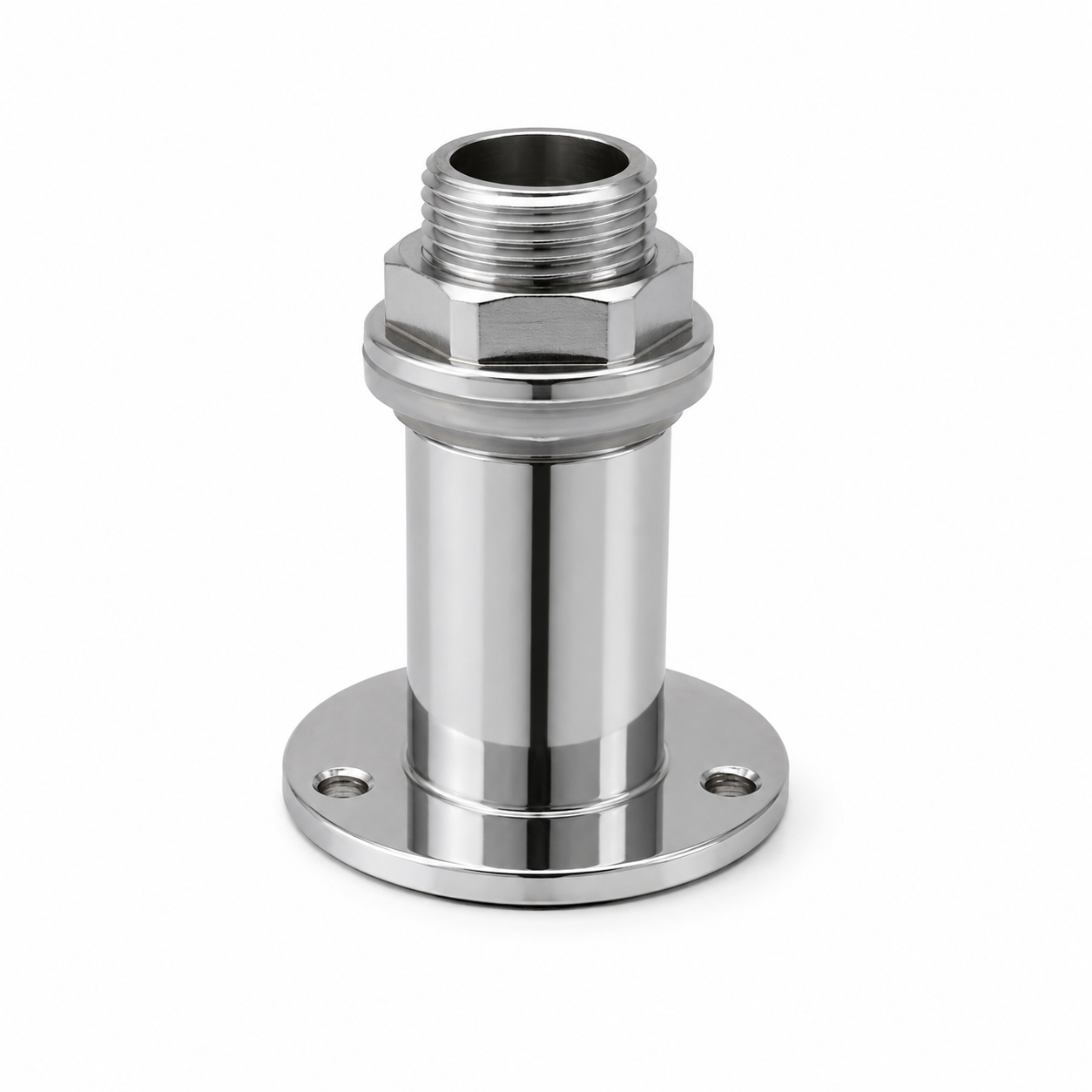
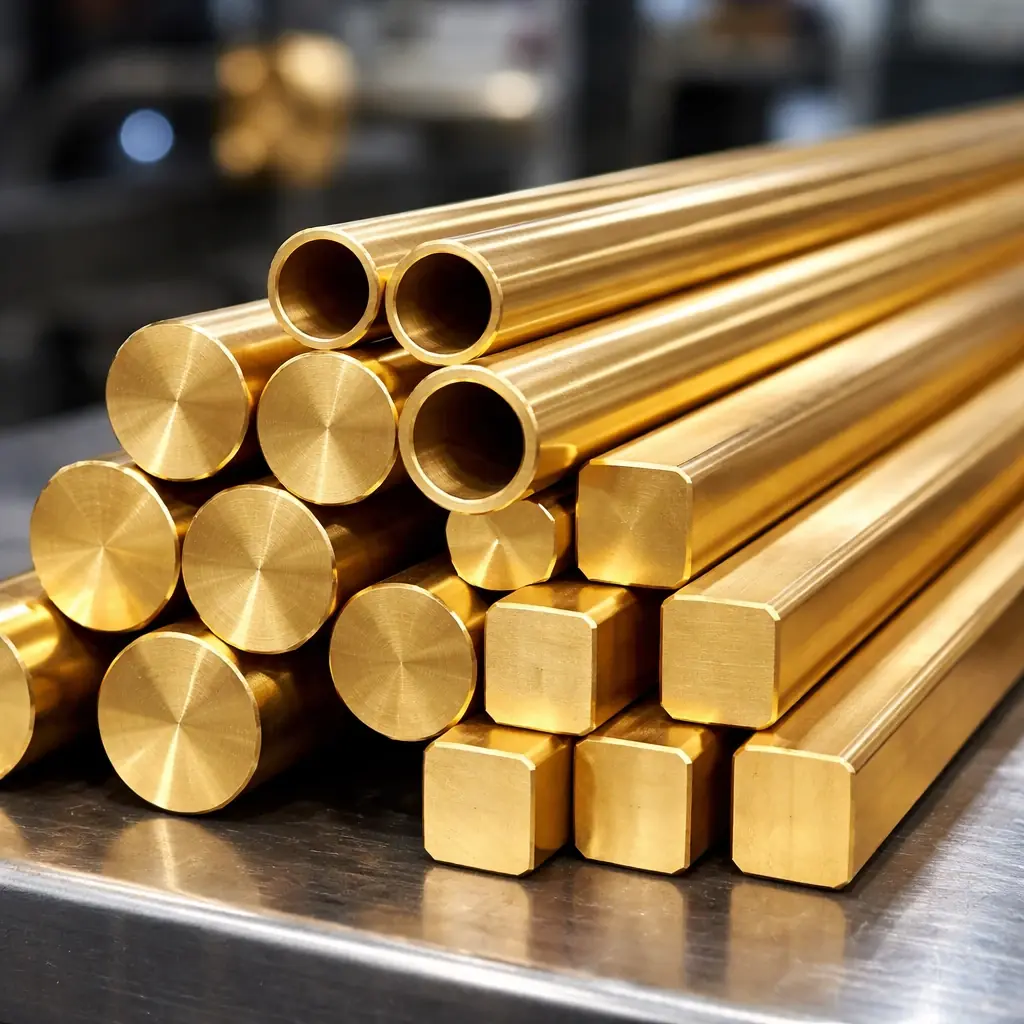
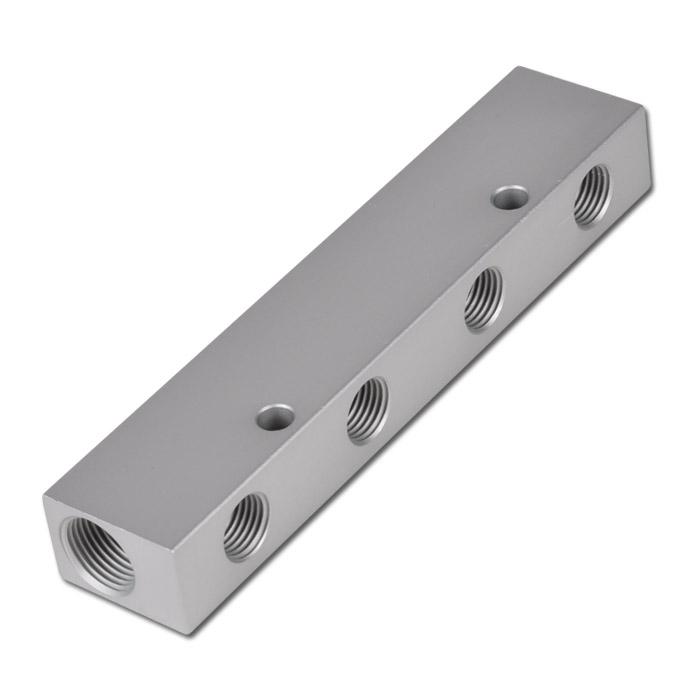
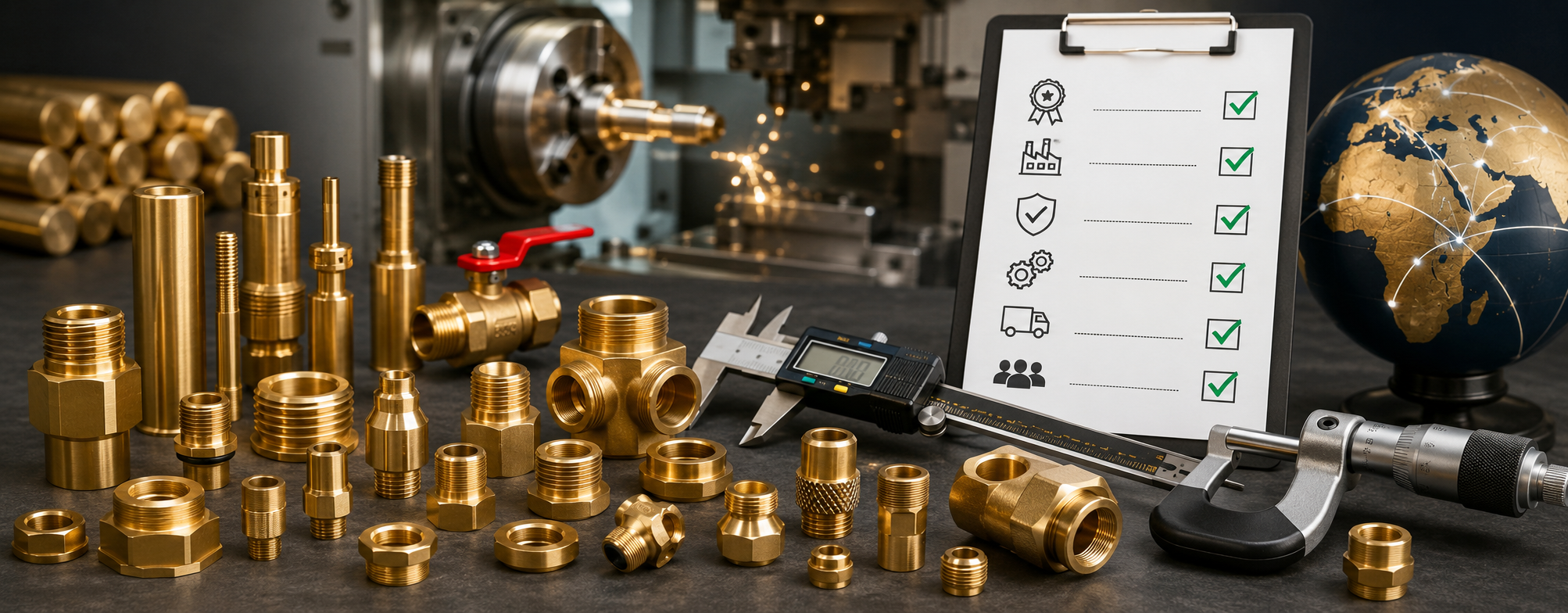
Reliable Brass Components Manufacturer showcasing precision CNC machined brass parts, quality inspection tools, and industrial brass fittings.

Selecting the right brass components manufacturer is one of the most important decisions for OEMs, distributors, wholesalers, and industrial buyers. The quality of your components directly impacts the performance, durability, and reliability of your final products. Choosing the wrong supplier can lead to production delays, inconsistent quality, and higher long-term costs.

This buyer’s checklist highlights the most important factors to consider when evaluating a brass components manufacturer and explains how these criteria help ensure consistent product quality and reliable supply.

1. Manufacturing Experience and Industry Expertise

Experience is a strong indicator of a manufacturer’s ability to meet demanding customer requirements. A company with years of expertise understands material behavior, machining processes, and international quality expectations.

Look for manufacturers that have experience serving industries such as:

  • Plumbing
  • Water Purification
  • Electrical
  • Automotive
  • Electronics
  • HVAC
  • Renewable Energy
  • Industrial Equipment

2. Advanced Manufacturing Infrastructure

Modern manufacturing equipment is essential for producing accurate and repeatable components.

A reliable manufacturer should have:

  • CNC Turning Centers
  • Automatic Sliding Head Machines
  • VMC Machines
  • Multi-Spindle Machines
  • Precision Thread Rolling Equipment
  • In-house Tool Room

Advanced machinery improves:

  • Productivity
  • Dimensional accuracy
  • Repeatability
  • Faster delivery

3. High-Quality Raw Materials

Product quality begins with raw materials.

Reliable manufacturers use certified brass grades such as:

  • IS 319
  • CW617N
  • CW614N
  • C36000
  • CZ121
  • Customer-Specified Alloys

Always ask whether material test certificates (MTCs) are available.

4. Strict Quality Control

Consistent quality requires inspection at every stage of production.

A dependable manufacturer should inspect:

  • Incoming raw materials
  • First article samples
  • In-process machining
  • Thread accuracy
  • Surface finish
  • Final dimensions
  • Packaging

Quality equipment may include:

  • Coordinate Measuring Machines (CMM)
  • Digital Vernier Calipers
  • Micrometers
  • Thread Gauges
  • Profile Projectors
  • Surface Roughness Testers

5. ISO Certification

Look for internationally recognized certifications such as:

  • ISO 9001 Quality Management
  • RoHS Compliance (where applicable)
  • REACH Compliance
  • Customer-specific quality standards

These certifications demonstrate structured quality management and continuous improvement.

6. Custom Manufacturing Capabilities

Many industries require components built to unique specifications.

Choose a manufacturer that can produce components based on:

  • Technical drawings
  • CAD files
  • Physical samples
  • Customer specifications

Custom services should include:

  • Special threads
  • Custom sizes
  • Special finishes
  • Laser marking
  • Private labeling

7. Wide Product Range

Working with a manufacturer that offers multiple brass products can simplify procurement and reduce supplier management.

Look for products such as:

  • Brass Fittings
  • Precision Turned Components
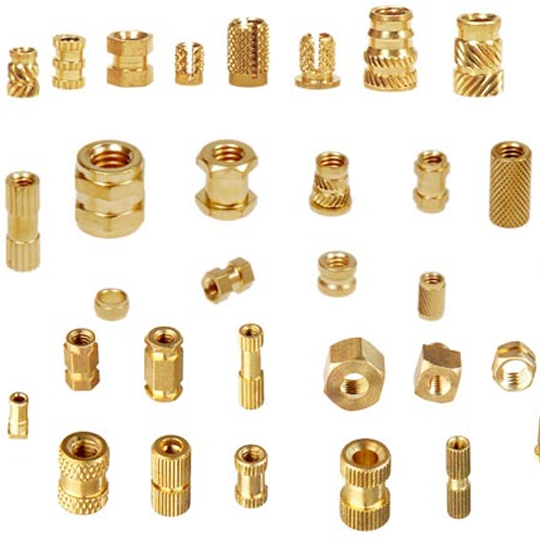
  • Brass Inserts
  • Brass Electrical Components
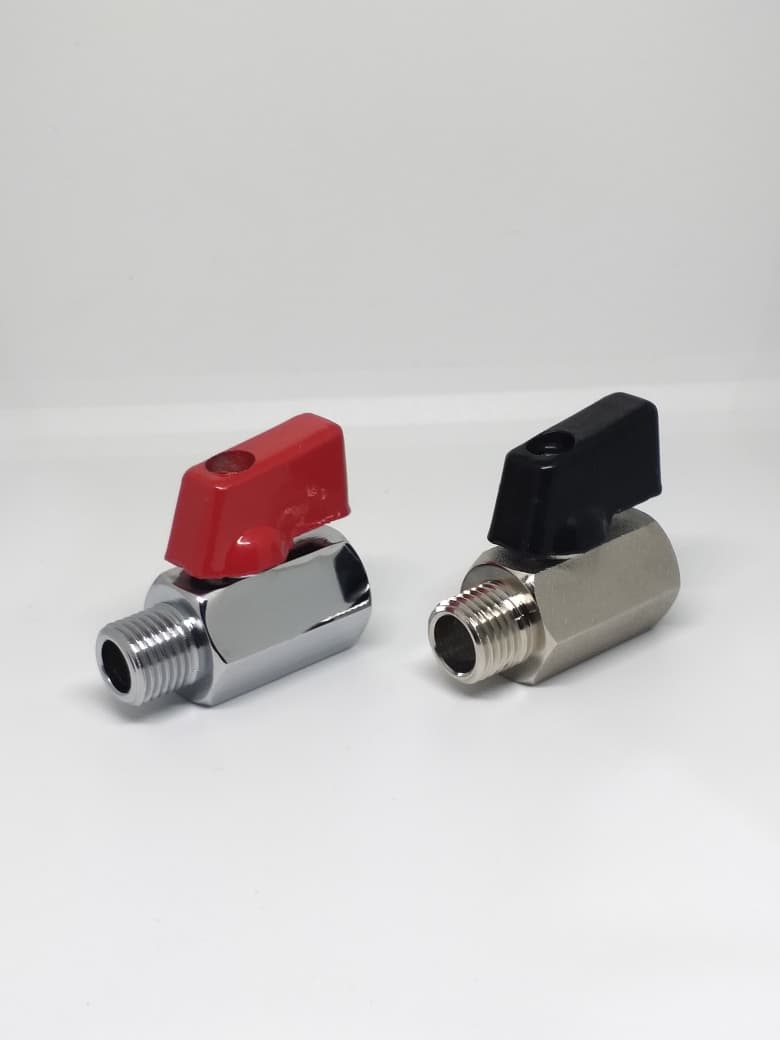
  • Brass Mini Ball Valves
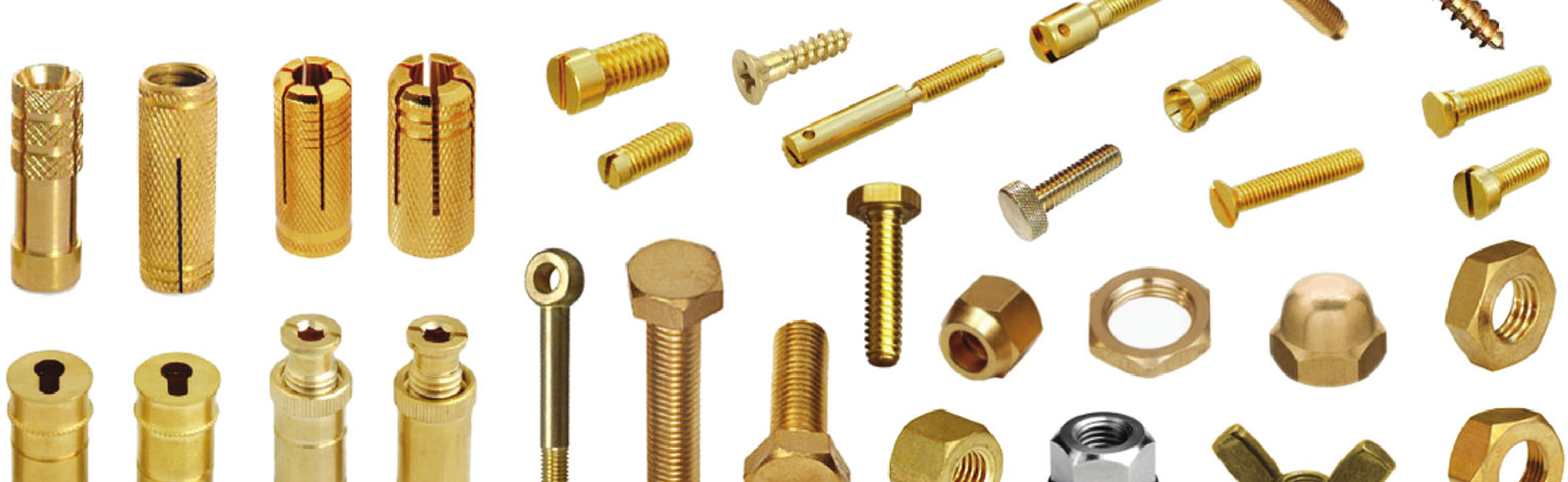
  • Brass Fasteners
  • Brass Forged Components
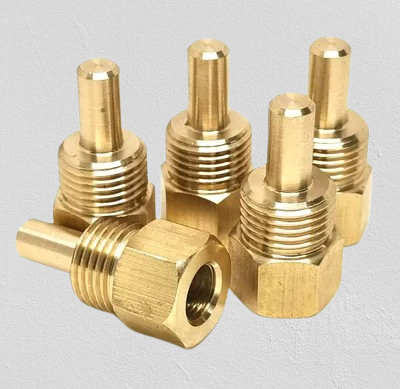
  • Brass Sensor Parts
  • Brass Plumbing Components
  • Brass Sanitary Fittings

8. Export Experience

International buyers should choose manufacturers familiar with export requirements.

Key capabilities include:

  • Export documentation
  • Secure packaging
  • International shipping
  • Compliance with destination-country requirements
  • Timely delivery schedules

Export experience often results in smoother communication and fewer logistical issues.

9. Engineering and Technical Support

A dependable manufacturer should assist with design improvements and manufacturability.

Support may include:

  • Design optimization
  • Material selection
  • Cost reduction suggestions
  • Prototype development
  • Production planning

Early engineering collaboration can reduce costs and improve product performance.

10. Production Capacity

Before placing large orders, confirm that the manufacturer can meet your volume requirements without compromising quality or delivery schedules.

Consider:

  • Monthly production capacity
  • Number of CNC machines
  • Skilled workforce
  • Scalability for future demand

11. Surface Finishing Options

Different applications require different finishes.

Common options include:

  • Natural Brass
  • Nickel Plating
  • Chrome Plating
  • Tin Plating
  • Zinc Plating
  • Powder Coating
  • Passivation

Choose a supplier capable of meeting your finish and performance requirements.

12. Transparent Communication

Reliable manufacturers maintain clear communication throughout the project.

Look for:

  • Fast quotation turnaround
  • Technical assistance
  • Production updates
  • Responsive customer service
  • After-sales support

Strong communication minimizes misunderstandings and delays.

Buyer's Checklist at a Glance

Evaluation Criteria Why It Matters
Manufacturing Experience Proven expertise and process knowledge
Modern CNC Machinery High precision and consistency
Certified Raw Materials Better durability and performance
Quality Inspection Reduced defects and reliable products
ISO Certification Consistent quality management
Custom Manufacturing Components tailored to your needs
Export Experience Smooth international deliveries
Technical Support Better product design and cost optimization
Production Capacity Reliable supply for growing demand
Surface Finishes Improved appearance and corrosion resistance
Communication Faster project execution and issue resolution

Why Choose Omega Metalcraft?

Omega Metalcraft is a trusted manufacturer and exporter of precision brass components, serving OEMs, distributors, and industrial customers worldwide. Our focus on advanced CNC machining, certified raw materials, rigorous quality inspections, and customer-specific manufacturing enables us to deliver components that meet demanding international standards.

We manufacture a wide range of brass products, including precision turned components, fittings, inserts, electrical components, sanitary fittings, mini ball valves, forged parts, and custom-engineered solutions. From prototype development to high-volume production, our team is committed to delivering quality, consistency, and on-time shipments for customers across global markets.

Conclusion

Choosing a reliable brass components manufacturer goes beyond comparing prices. Manufacturing expertise, quality control, material certification, customization capabilities, production capacity, and responsive customer support all contribute to a successful long-term partnership.

By following this checklist, buyers can reduce sourcing risks, improve product quality, and build lasting relationships with manufacturers capable of supporting their business growth.

Frequently Asked Questions

1. How do I choose the best brass components manufacturer?

Evaluate the manufacturer’s experience, CNC machining capabilities, quality certifications, inspection processes, customization options, export experience, and customer support before making a decision.

2. Why is ISO 9001 certification important?

It demonstrates that the manufacturer follows a structured quality management system focused on consistent production and continual improvement.

3. Can brass components be customized?

Yes. Reliable manufacturers can produce custom components based on technical drawings, CAD models, or physical samples, with options for specialized threads, finishes, and dimensions.

4. Which industries commonly use brass components?

Brass components are widely used in plumbing, water treatment, automotive, electrical, electronics, HVAC, renewable energy, medical devices, and industrial machinery.

5. Why is CNC machining preferred for brass components?

CNC machining provides excellent dimensional accuracy, repeatability, complex geometries, and high production efficiency, making it ideal for precision brass parts.

Related Posts