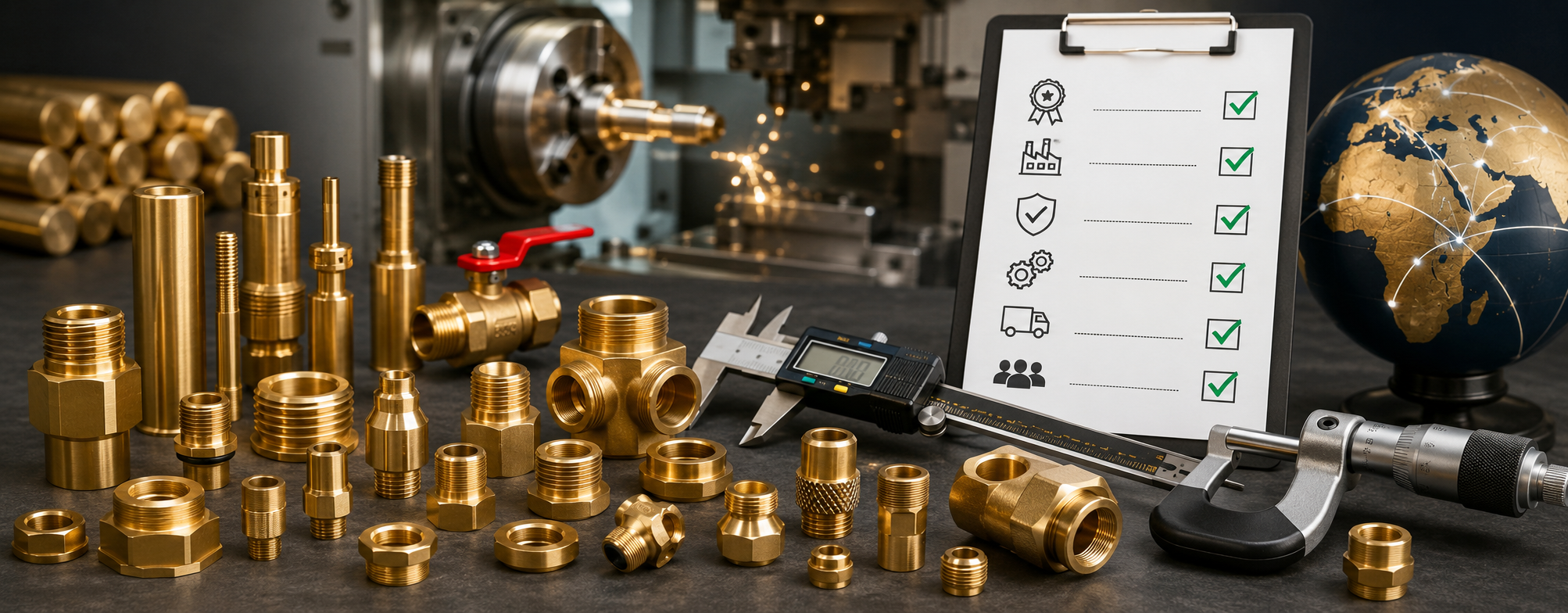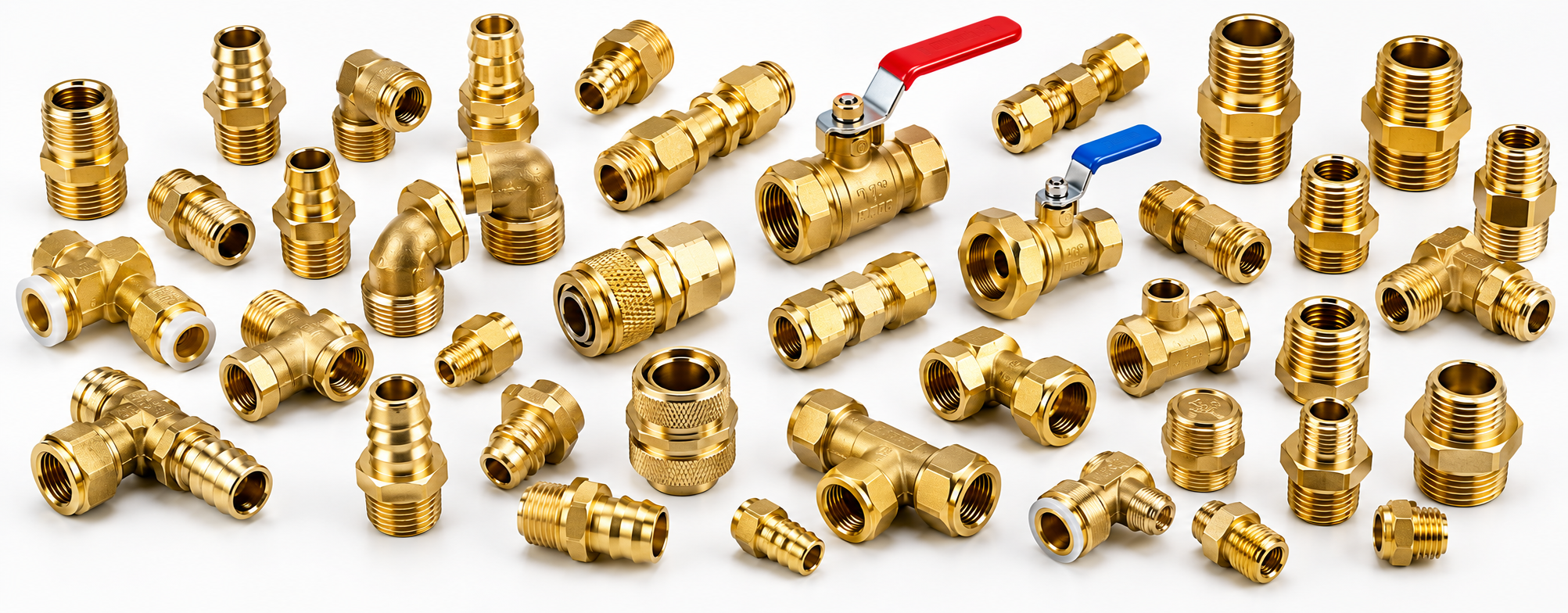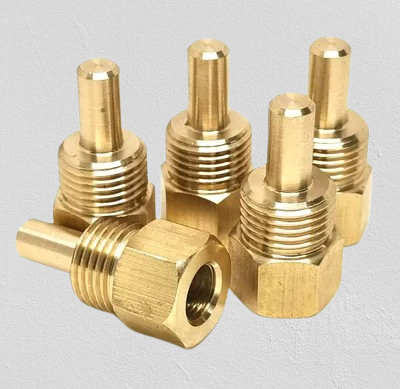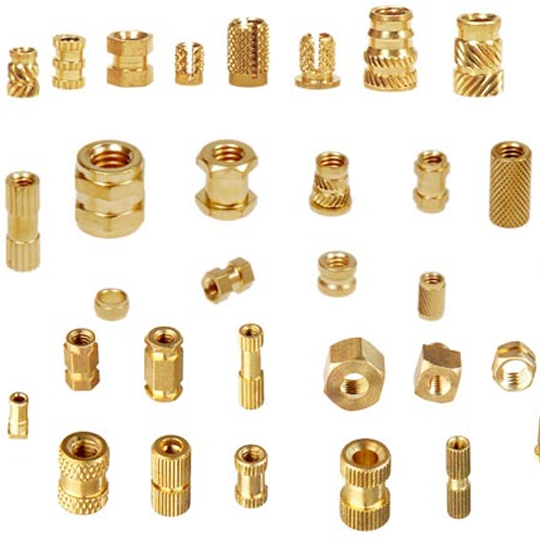
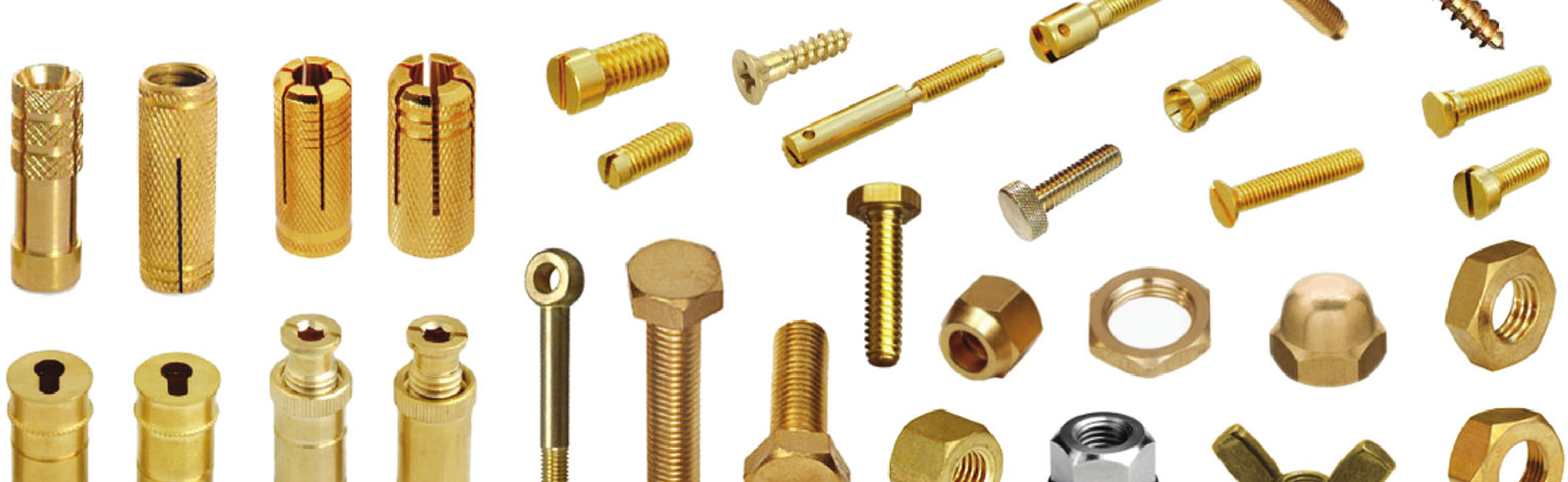

Brass components are essential in industries such as plumbing, water purification, electrical, automotive, gas distribution, HVAC, and industrial machinery. From small threaded inserts to precision CNC turned parts, every brass component begins its journey as a high-quality brass rod.
But how does a simple brass rod become a precision-engineered component that meets strict dimensional and quality requirements?
In this guide, we’ll walk you through the complete brass manufacturing process—from raw material selection to the finished product—so you can understand what goes into producing reliable, high-performance brass components.
Why Brass Is the Material of Choice
Brass is an alloy of copper and zinc that offers an excellent balance of strength, corrosion resistance, machinability, and durability. These properties make it one of the most widely used materials for precision-engineered components.
Key Advantages of Brass
- Excellent corrosion resistance
- High machining efficiency
- Superior dimensional stability
- Excellent electrical and thermal conductivity
- High pressure and temperature resistance
- Long service life
- Easy to recycle and environmentally friendly
These qualities make brass ideal for manufacturing high-precision industrial components.
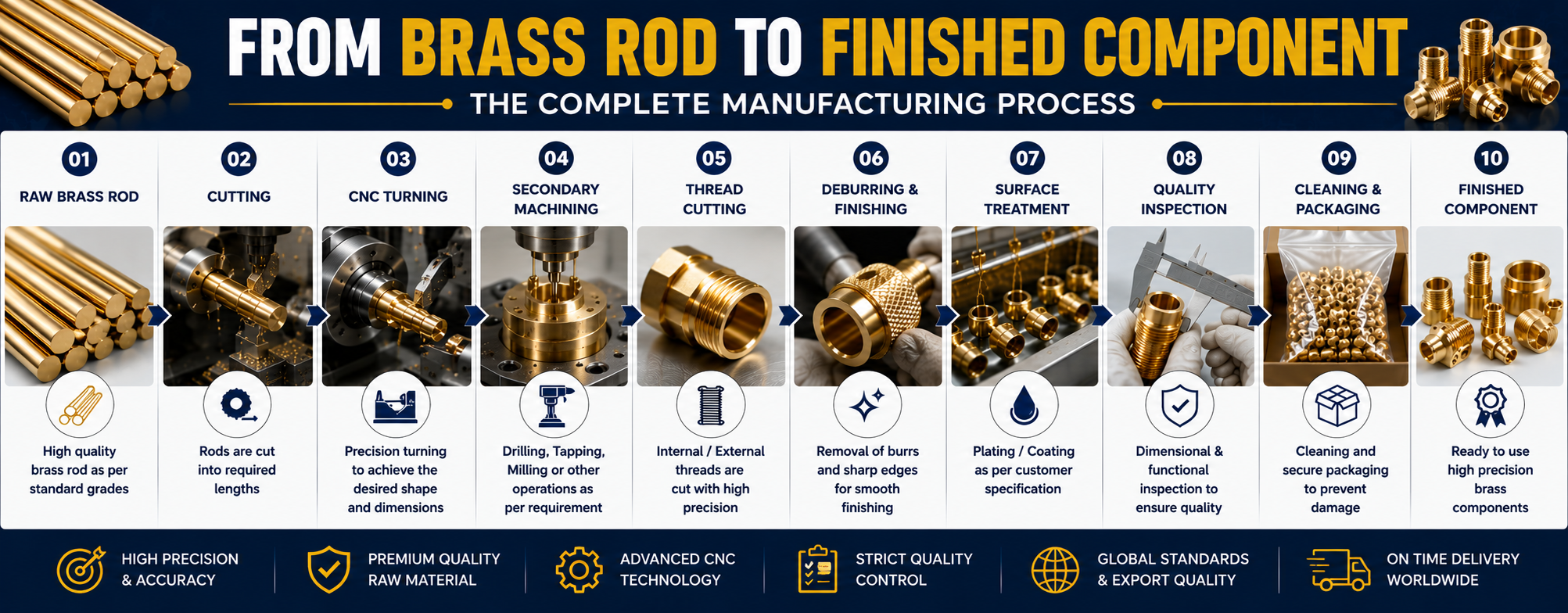
Step 1: Selection of High-Quality Brass Rods
Every quality component starts with premium raw material.
Manufacturers carefully select brass rods based on:
- Brass grade
- Diameter
- Mechanical properties
- Customer specifications
- End-use application
Common brass grades include:
- IS 319
- CW614N
- CW617N
- C36000
- Lead-Free Brass Grades (where required)
Using the correct material ensures better machining performance and consistent product quality.
Step 2: Raw Material Inspection
Before production begins, each batch of brass rods undergoes quality inspection.
Typical inspections include:
- Diameter verification
- Surface finish inspection
- Material composition verification
- Straightness check
- Visual inspection for defects
Only approved raw materials proceed to machining.
Step 3: CNC Turning and Precision Machining
This is where the brass rod begins to take shape.
Using advanced CNC turning machines, automatic lathes, and precision machining centers, the brass rod is transformed into the desired component.
Common machining operations include:
- Turning
- Facing
- Drilling
- Boring
- Threading
- Grooving
- Knurling
- Parting-off
Modern CNC technology ensures:
- High accuracy
- Tight tolerances
- Excellent repeatability
- Smooth surface finish
- High production efficiency
This stage determines the dimensional accuracy of the final component.
Step 4: Secondary Machining Operations
Some components require additional machining after the primary turning process.
These operations may include:
- Cross drilling
- Milling
- Slot cutting
- Tapping
- Reaming
- Deburring
Secondary machining improves functionality and ensures compatibility with the final assembly.
Step 5: Thread Cutting
Many brass components require internal or external threads.
Examples include:
- Brass fittings
- Adaptors
- Hose connectors
- Compression fittings
- Hex nipples
- Brass inserts
Threading is carried out using precision tooling to ensure:
- Leak-proof connections
- Smooth assembly
- Accurate thread profiles
- Long-lasting performance
Step 6: Deburring and Surface Finishing
Machined components may contain small burrs or sharp edges.
These are removed through:
- Mechanical deburring
- Vibratory finishing
- Polishing
- Edge finishing
A smooth finish improves:
- Product appearance
- Safety
- Assembly performance
- Corrosion resistance
Step 7: Surface Treatment (If Required)
Depending on the application, brass components may receive protective or decorative finishes.
Popular surface finishes include:
- Natural Brass
- Nickel Plating
- Chrome Plating
- Tin Plating
- Zinc Plating
- Matte Finish
- Mirror Polish
Surface treatments improve corrosion resistance, durability, and aesthetics.
Step 8: Precision Quality Inspection
Every finished component is inspected to ensure it meets customer specifications.
Quality checks typically include:
- Dimensional inspection
- Thread gauge testing
- Visual inspection
- Surface finish verification
- Functional testing
- Pressure testing (where applicable)
Inspection equipment may include:
- Digital Vernier Calipers
- Micrometers
- Plug Gauges
- Ring Gauges
- Height Gauges
- Coordinate Measuring Machines (CMM)
Strict quality control minimizes defects and ensures consistent performance.
Step 9: Cleaning and Packaging
Before shipping, components are cleaned to remove machining oils and dust.
Packaging is designed to protect products during transportation.
Common packaging methods include:
- Poly bags
- Corrugated boxes
- Export cartons
- Palletized shipments
- Customized packaging with customer branding
Proper packaging prevents damage and ensures components arrive in excellent condition.
Step 10: Global Delivery
Finished brass components are supplied to customers across industries worldwide.
Applications include:
- Water purification systems
- Plumbing systems
- Electrical equipment
- Automotive assemblies
- Gas systems
- Industrial machinery
- HVAC equipment
- Agricultural machinery
- Medical devices
Reliable logistics and export-ready packaging help ensure timely delivery to international customers.
Why Precision Manufacturing Matters
Every micron matters in precision brass machining.
High-quality manufacturing offers several benefits:
- Accurate dimensions
- Better product performance
- Reduced leakage
- Improved assembly
- Longer service life
- Lower maintenance costs
- Higher customer satisfaction
Investing in precision manufacturing helps OEMs improve the reliability and efficiency of their products.
Why Choose Omega Metalcraft?
At Omega Metalcraft, we manufacture high-quality precision brass components using advanced CNC machining technology and strict quality control procedures.
Our Product Range
- Precision Brass CNC Turned Components
- Brass Compression Fittings
- Brass Hose Connectors
- Brass RO Fittings
- Brass Inserts
- Brass Adaptors
- Brass Elbows
- Brass Tee Fittings
- Brass Reducers
- Brass Hex Nipples
- Brass Ball Valves
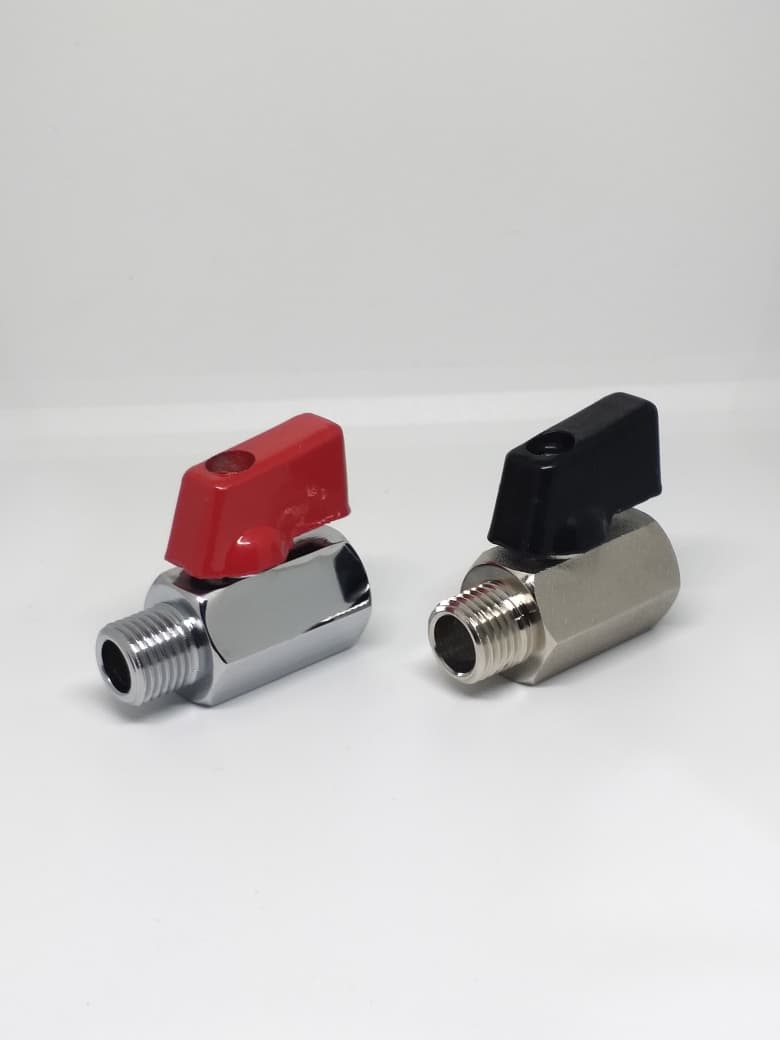
- Brass Mini Ball Valves
- Brass Electrical Components
- Custom Brass Components as per Drawings or Samples
Our Manufacturing Strengths
- Modern CNC machining facility
- Experienced engineering team
- Premium-quality brass raw materials
- Tight tolerance manufacturing
- Comprehensive quality inspection
- Custom OEM production
- Export-ready packaging
- On-time global delivery
Whether you require standard brass parts or custom-engineered components, Omega Metalcraft delivers precision, consistency, and reliability.
Conclusion
The journey from a brass rod to a finished precision component involves advanced machining, rigorous quality control, skilled engineering, and attention to detail at every stage. Choosing a manufacturer with modern equipment, experienced professionals, and a commitment to quality ensures that every component meets the highest performance standards.
At Omega Metalcraft, we combine precision manufacturing with dependable service to provide brass components trusted by OEMs, distributors, and industrial buyers worldwide.
Looking for a reliable brass component manufacturer? Contact Omega Metalcraft today to discuss your custom requirements and receive a competitive quotation.
-
Previous Post
Top Brass Fittings Used in Water Purification Systems
Related Posts
Top Brass Fittings Used in Water Purification Systems
Top Brass Fittings Used in Water Purification Systems: A Complete Guide Water purification systems play…
Brass Connectors vs Plastic Connectors for Water Coolers & Plumbing
Why Brass Connectors Are Better Than Plastic Connectors for Water Coolers and Plumbing Systems When…

Brass Rods Manufacturer – High-Quality Brass Bars for Global Export
Brass rods are precision-engineered metal bars made from copper-zinc alloys, widely used in CNC machining,…
Brass Garden Hose Fittings Manufacturer & Exporter from India
Brass garden hose fittings are high-performance connectors designed for leak-proof, corrosion-resistant, and long-lasting water flow…